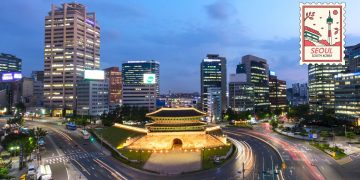

South Korea welcomed around 4.7 million Chinese tourists in 2025, reshaping winter travel flows and putting pressure on Korean cities.
A Strong Rebound in Chinese Inbound Tourism
South Korea has recorded a notable rise in Chinese inbound tourism in 2025, with an estimated 4.7 million Chinese visitors arriving this year. The increase has been especially visible during the winter season, reshaping travel patterns in major destinations such as Seoul, Jeju Island, and Busan.
After a strong rebound from 16.37 million international visitors in 2024 — nearly at pre-COVID levels — South Korea’s inbound tourism continued its upward trend in 2025. The rebound reflects the broader recovery of outbound travel from China following prolonged pandemic restrictions. As travel demand normalized, Chinese visitors once again emerged as one of the largest and most influential segments of South Korea’s inbound tourism market, delivering a welcome boost to retail, hospitality, and regional tourism economies.
What Is Driving the Increase
In October 2025 alone, South Korea recorded approximately 1.74 million inbound visitors, building on a summer peak of over 1.8 million in August — strong indicators of sustained demand. Beyond pent-up travel demand, regional travel realignments in Northeast Asia have also played a role in redirecting winter travel flows toward South Korea.
Industry observers note that diplomatic tensions and travel advisories affecting other regional destinations have encouraged tour operators to adjust itineraries. In particular, cruise ship routes that previously centered on Japan have, in some cases, been reoriented toward Korean ports and cities, including Jeju, Busan, and Incheon.
These adjustments tend to occur quietly at the industry level, but their impact becomes visible when large volumes of travelers are redirected within a short time frame, contributing to higher-than-expected arrivals during peak periods.
Winter Concentration and Destination Pressure
The rise in Chinese arrivals has been highly concentrated during the winter season, when group tours and short-stay visits cluster around a limited number of high-traffic areas.
In Seoul, shopping districts such as Myeongdong have experienced renewed congestion, while Jeju Island has seen an increase in large tour groups and port-linked excursions. Local businesses have benefited from higher footfall, but the rapid concentration of visitors has also placed pressure on transport systems, pedestrian infrastructure, and public services.
Winter conditions have intensified these challenges. Shorter daylight hours and compressed itineraries mean visitors often move through the same areas at the same time, increasing crowd density and amplifying friction in already busy districts.
Cultural Friction and Public Response
As visitor numbers have risen, complaints related to tourist behavior and cultural misunderstandings have also resurfaced. In some neighborhoods, residents have raised concerns about noise, queueing practices, and congestion in shared public spaces.
These issues are not unique to Chinese tourism, nor are they new to South Korea. However, the speed and scale of the recent increase have made them more visible, particularly in destinations that were already grappling with overtourism before the pandemic.
The situation has renewed debate around how Korea should balance the economic benefits of inbound tourism with resident quality of life—a topic that has become increasingly central to national and local tourism policy discussions.
Government and Municipal Responses
In response, Korean authorities have shifted focus from visitor volume alone to active visitor management.
National-Level Measures
The Ministry of Culture, Sports and Tourism (MCST) and the Korea Tourism Organization (KTO) have emphasized:
- expanded multilingual guidance for foreign visitors,
- clearer communication around public etiquette and local norms, and
- closer coordination with local governments to manage congestion during peak travel periods.
These measures align with a broader policy direction toward “high-quality tourism,” which prioritizes smooth integration between visitors and local communities rather than growth at any cost.
Local Government Actions
At the municipal level:
- The Seoul Metropolitan Government has increased on-site support staff and multilingual signage in high-traffic tourist zones.
- Jeju Province has strengthened crowd control measures and coordination with tourism operators during peak arrival times, particularly in areas vulnerable to sudden surges in group visitors.
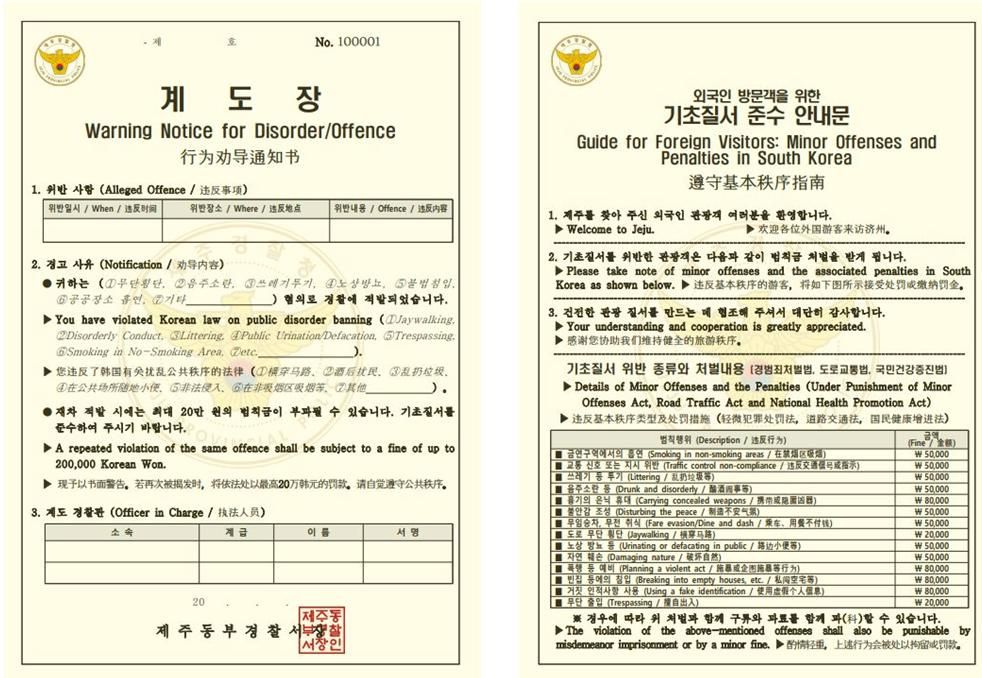
Authorities have emphasized that education and communication are as important as enforcement in reducing friction and maintaining positive visitor experiences.
Tourism as a Geopolitical Indicator
The current situation underscores a broader trend: tourism flows increasingly reflect geopolitical dynamics.
When diplomatic relations shift, travelers respond—often indirectly through tour operators, itinerary planning, and policy signals rather than individual decision-making. South Korea’s experience this winter demonstrates how quickly it can become a default alternative destination when regional tensions disrupt established travel routes.
This role brings both opportunity and responsibility:
- an opportunity to capture redirected demand and support regional economies,
- and a responsibility to manage visitor volume sustainably to avoid local backlash.
Managing Opportunity Without Backlash
The rise in Chinese inbound tourism has delivered clear economic benefits for South Korea’s travel, retail, and hospitality sectors. At the same time, it has highlighted a persistent challenge: how to absorb sudden increases in visitor numbers without overburdening infrastructure or straining community relations.
As inbound travel continues to normalize, South Korea’s success will depend not only on attracting visitors, but on its ability to manage concentration, guide visitor behavior, and maintain resident trust. In an era where travel flows can shift rapidly due to external forces, effective tourism management may prove just as important as tourism promotion.
751 total views, 3 views today