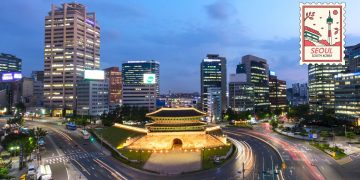

South Korea is reviewing plans that could allow foreign visitors to pay bus and subway transit fares using overseas credit cards — a move aimed at reducing friction and improving the travel experience.
Foreign Tourists May Soon Pay Transit Fares With Overseas Credit Cards
Traveling around South Korea could soon become significantly more convenient for foreign visitors. The government is reviewing plans to introduce an open-loop public transportation payment system, which would allow tourists to use international credit cards such as Visa and Mastercard directly on buses and subways.
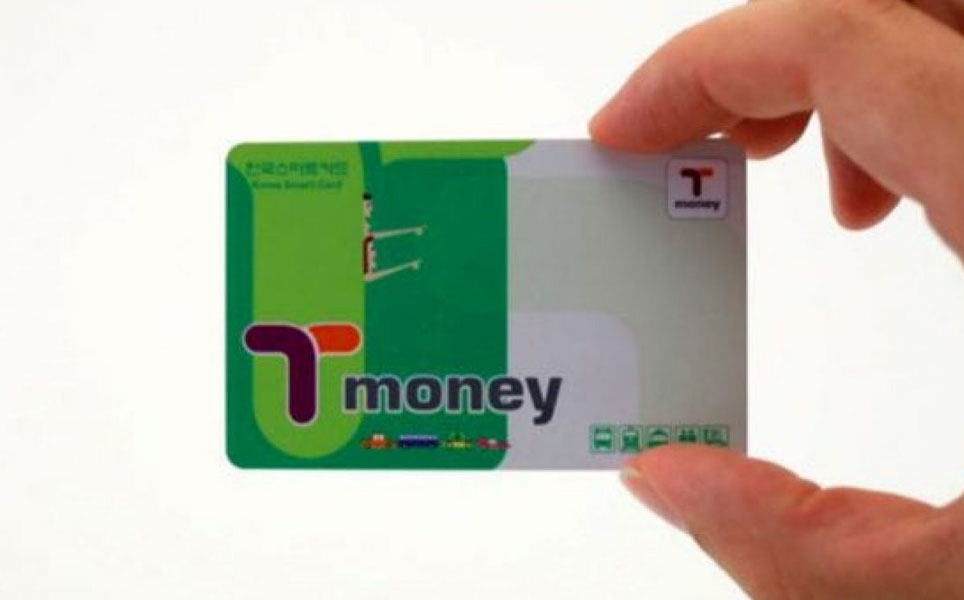
Currently, most public transportation in South Korea requires passengers to use local transit cards such as T-money or Cashbee. While widely used by residents, these systems often require foreign travelers to purchase a separate card, top it up in advance, and navigate balance management — a process that can be inconvenient for short-term visitors.
The proposed open-loop system aims to eliminate that extra step by allowing contactless payments using overseas-issued credit cards, giving foreign tourists a transit experience closer to that of local users.
What Is an Open-Loop Transit Payment System?
An open-loop payment system allows passengers to pay fares using bank-issued cards — including international credit and debit cards — rather than closed systems tied to local transit cards.
Many major global cities already support open-loop transit payments, enabling travelers to tap their personal cards or mobile wallets directly at fare gates. South Korea’s move toward this system reflects a broader effort to align its public transportation infrastructure with international standards as inbound tourism continues to recover.
Government Review Underway
The initiative is currently under review by the Ministry of Land, Infrastructure and Transport (MOLIT), which is examining how global card networks such as Visa and Mastercard could be integrated into Korea’s existing fare systems.
According to officials, the goal is to:
- reduce inconvenience for foreign tourists,
- lower barriers to using public transportation,
- and improve overall accessibility for short-term visitors.
However, authorities have acknowledged that system setup and infrastructure costs remain a key challenge.
Phased Rollout Expected, Not Nationwide at Once
While the proposal has been welcomed by the tourism industry, a nationwide rollout is unlikely in the early stages.
Due to the complexity and cost of upgrading fare collection systems across regions, the government is expected to pursue a phased expansion, starting with selected areas or transit lines before broader adoption.
If technical and financial hurdles are resolved, initial implementation could begin as early as the year after next, though no fixed timeline has been officially announced.
Why This Matters for Travelers
For foreign tourists, this change could meaningfully improve day-to-day travel in Korea:
- No need to buy or recharge a separate transit card
- Faster onboarding when arriving in Korea
- Easier navigation of buses and subways, especially for short stays
- A more intuitive experience comparable to other global cities
As South Korea continues to attract rising numbers of international visitors, especially from nearby Asian markets and long-haul destinations, small improvements in travel convenience can have an outsized impact on visitor satisfaction.

Part of a Broader Push to Improve the Visitor Experience
The transit payment review fits into a wider effort by Korean authorities to make the country more tourist-friendly beyond marketing campaigns. Recent initiatives have focused on:
- simplifying entry procedures,
- expanding multilingual guidance,
- and improving transportation and digital infrastructure for foreign visitors.
Together, these measures suggest a policy shift toward reducing friction in everyday travel, rather than relying solely on promotions or large-scale tourism events.
Looking Ahead
While foreign tourists cannot yet use overseas credit cards on Korea public transit system, the ongoing review signals a clear direction. If implemented, an open-loop payment system would represent a practical upgrade to Korea’s transit experience, particularly for first-time visitors.
For now, travelers should continue to use local transit cards — but change may be on the horizon.
🧳 What Tourists Should Know Right Now
✔ You still cannot use overseas credit cards on public transit systems in Korea (yet).
At present, buses and subways in South Korea require local transit cards such as T-money or Cashbee.
✔ The government is reviewing a new system.
The Ministry of Land, Infrastructure and Transport is exploring an open-loop payment system that would allow Visa, Mastercard, and other international cards to be used directly for transit fares.
✔ No nationwide rollout is expected immediately.
Because of infrastructure and system costs, any launch is likely to be phased, starting with selected regions or lines.
✔ Earliest implementation could be in a few years.
If approved, initial adoption could begin as early as the year after next, though no official timeline has been confirmed.
✔ For now, plan to use a local transit card.
Tourists should still:
- buy a T-money or Cashbee card at airports, convenience stores, or subway stations
- load sufficient balance for daily travel
✔ Why this matters:
If implemented, the change would significantly reduce friction for foreign visitors, making everyday travel in Korea easier and more intuitive.
Related Posts
832 total views, 1 views today