
Last Updated on 3 months by admin
Korean traditional goods hit record sales in 2025, fueled by K-pop culture and heritage tourism. Here’s why travelers are buying more than souvenirs.
Korean traditional goods are experiencing an unexpected renaissance — not through museums or textbooks, but through global pop culture. In 2025, sales of heritage-inspired products reached a historic high, driven in part by the worldwide success of the animated musical film KPop Demon Hunters.
This surge highlights a growing trend in Korean tourism: travelers are increasingly drawn to cultural storytelling, symbolism, and tangible connections to heritage, not just landmarks or shopping districts.
Record-Breaking Sales of Korean Traditional Goods
According to the Korea Heritage Agency, sales of its official K-Heritage product line reached 16.1 billion won in 2025, as reported by The Korea Times. It is the highest figure since the agency’s establishment in 1980. This marked a 35.5 percent increase year-on-year and the third consecutive year that sales surpassed 10 billion won.
These products are sold through both online platforms and physical locations closely tied to tourism, including:
- Gyeongbok Palace
- Deoksugung Palace
- The National Palace Museum of Korea
- Incheon International Airport
Rather than functioning as conventional souvenirs, these items are designed to reinterpret traditional Korean aesthetics for modern consumers, making heritage more approachable for international visitors.
The KPop Demon Hunters’ Effect on Cultural Consumption
The Korea Heritage Agency attributes much of the sales momentum to the global popularity of KPop Demon Hunters, which premiered on Netflix in June 2025. The film blends K-pop-style characters with Korean folklore, symbolic animals, and historical visual elements — introducing global audiences to traditional motifs through a contemporary narrative.
Several best-selling heritage products directly reflect this crossover appeal, including:
- Tiger-themed porcelain dolls, inspired by folklore-based characters
- Cups shaped like the traditional gat, the translucent horsehair hat featured on characters in the film
By embedding traditional imagery into pop-culture storytelling, the film created familiarity — and curiosity — around Korean heritage symbols, especially among younger international audiences.
Why Cultural Merchandise Matters for Tourism
The rise in traditional goods sales reflects a broader shift in how travelers engage with Korea. Rather than viewing heritage as static or historical, visitors are responding to culture as something living, wearable, and usable.
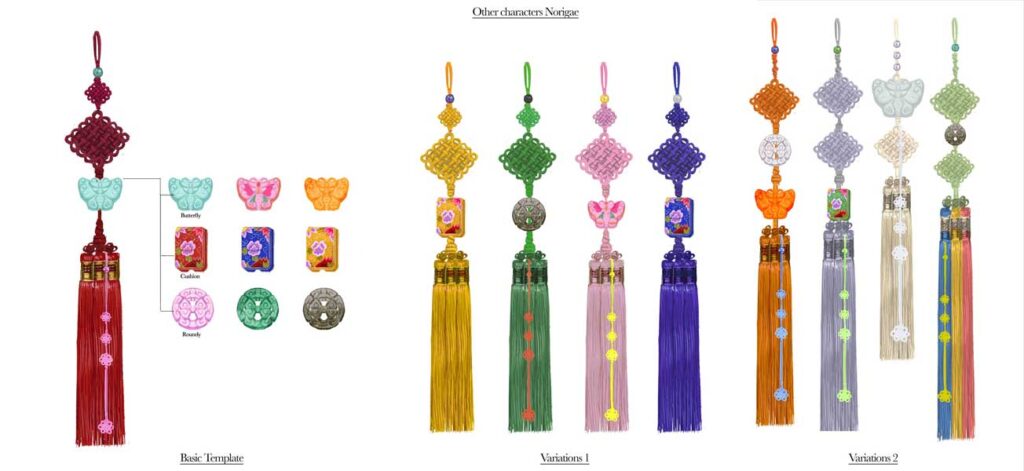
For travelers, heritage merchandise serves multiple roles:
- A story-rich souvenir connected to real cultural sites
- A gateway to deeper cultural exploration, such as palaces and museums
- A way to connect pop-culture experiences with physical travel memories
This aligns with growing global interest in experience-driven and lifestyle travel, where visitors seek meaning and cultural context rather than mass-produced souvenirs.
From Screen to Site: Turning Pop Culture Into Travel Experiences
The success of heritage-inspired goods is opening new pathways for cultural tourism in Korea, particularly among travelers whose first exposure to traditional motifs comes through films and global K-content. Viewers drawn in by visually rich storytelling are increasingly motivated to seek out real-world locations where those cultural elements originate. This includes palace museums and official heritage gift shops, where traditional designs are contextualized within Korea’s royal and historical legacy, as well as craft exhibitions and workshops that showcase how heritage techniques are preserved and adapted today. Cultural districts that blend historical architecture with contemporary interpretation are also benefiting from this growing curiosity, as visitors look to experience Korean tradition beyond the screen.
For travel platforms like Korea Travel Post, this shift presents a meaningful opportunity to bridge entertainment-driven interest with on-the-ground travel experiences. By connecting pop culture narratives to tangible destinations and cultural activities, travel content can guide visitors from digital discovery to physical exploration, transforming passive fandom into active engagement with Korea’s heritage.
A New Chapter for Korean Heritage Tourism
The record sales of Korean traditional goods in 2025 demonstrate that heritage does not need to compete with pop culture — it can evolve alongside it. When folklore, craftsmanship, and symbolism are woven into globally accessible storytelling, they gain renewed relevance.
For Korea’s tourism landscape, this trend reinforces a powerful idea: heritage thrives when it is experienced, not just observed.
Related Posts
652 total views, 1 views today