
The 2026 Spring Awakening
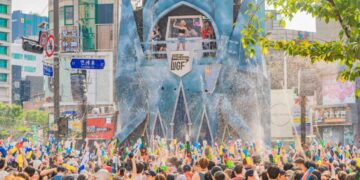
March 2026 marks a pivotal reset for South Korean tourism. The BTS “Arirang” Comeback Live on March 21 at Gwanghwamun Square anchors this shift. This free event precedes their global tour and a 15-track album release. Simultaneously, the Ministry of Culture has designated three major festivals—Boryeong Mud Festival, Andong Maskdance, and Jinju Namgang Yudeung Festival—as “Global Festivals.” This is part of an aggressive plan to reach 30 million annual visitors.
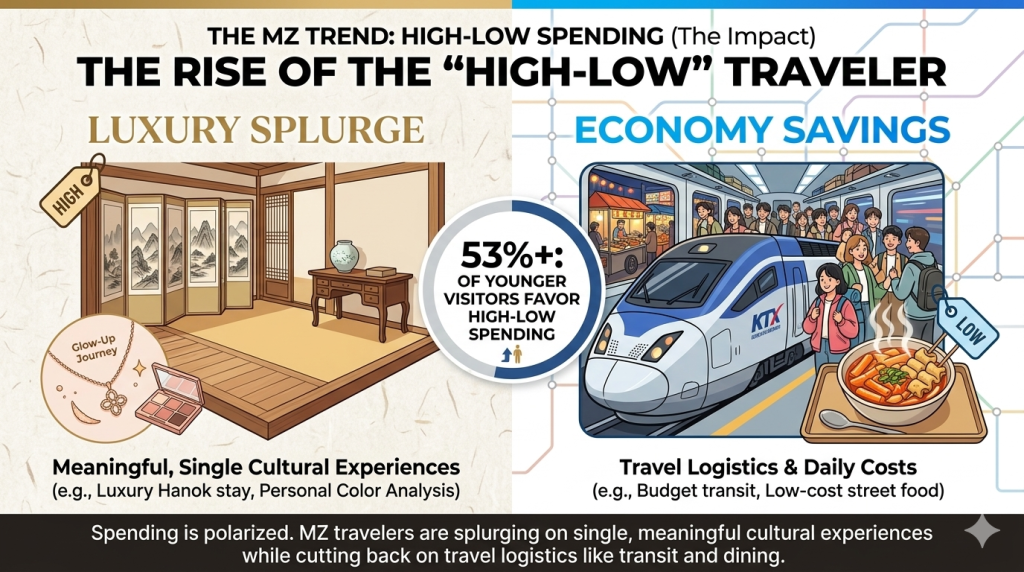
A notable shift is occurring in traveler behavior. Over 53% of younger visitors are now opting for “high-low” spending. They prefer investing heavily in single, meaningful experiences like luxury temple stays while choosing budget-friendly transit and dining for the remainder of their trip.
Current Event Calendar: March & April 2026
| Event Name | Dates | Location | Key Highlight |
| BTS “Arirang” Pop-up | Mar 20 – Apr 12 | Shinsegae Main / HYBE | Immersive album-themed art spaces |
| Gwanghwamun Comeback | Mar 21 | Seoul | BTS full-group live performance (free) |
| Jinhae Gunhangje | Mar 27 – Apr 5 | Changwon | Biggest cherry blossom festival in Korea |
| Korea Ramen Fair | Mar 26 – Mar 29 | Incheon | DIY noodle workshops & global tastings |
| Seokchon Lake Festival | Apr 3 – Apr 11 | Seoul (Jamsil) | Night illuminations by Lotte World |
| Jindo Miracle Sea | Apr 17 – Apr 20 | Jindo | Natural “parting of the sea” festival |
| International Horticulture | Apr 24 – May 10 | Goyang | Global floral & garden exhibition |
From Screen to Street: The Experience Economy
The cultural narrative in Korea has shifted. We are moving past the “K-Drama Filming Location” era into what experts call K-Life Tourism. For those monitoring the market, this represents a transition from passive consumption to rhythmic immersion.
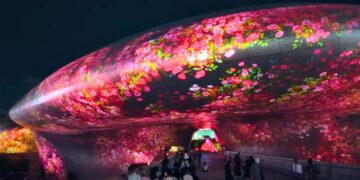
The industry is leaning into “Spatial Brewing.” It is the practice of converting overlooked urban alleys or traditional hanoks into high-density sensory environments. The BTS “Arirang” Pop-ups are a prime example. They aren’t just merch stores; they are immersive installations designed to drive foot traffic into specific districts like Seongsu and Hannam. It boosts local micro-economies by an estimated 15–20% during the event window.
Furthermore, the focus has moved toward Regenerative Tourism. Festivals like the Jeju Fire Festival are no longer just spectacles. They are now marketed as heritage restoration projects. This aligns with a global move toward conscious travel. Success is now measured by community contribution rather than just ticket sales. For the global traveler, the goal is no longer just “to see,” but “to belong.” This deep connection to the local soil separates 2026’s offerings from previous years. It is a direct investment in the longevity of the culture itself.
Refining the Journey: Enhancing the Cultural Experience
The vision for high-tech “Digital Humanity” is clear. However, several areas require active refinement to match the nation’s cultural ambition.
Streamlining Global Access
High-demand events, including the BTS tour and popular musicals like Death Note (running through May), often use ticketing systems that struggle with international credit cards. The system needs to evolve to support global tourism. Some kind of “Global-First” booking tiers and the integration of international payment gateways like Apple Pay and PayPal into local platforms will make it easier. This shift would significantly reduce entry barriers for foreign visitors and ensure a smoother transaction flow.
Expanding Regional Connectivity
Regional gems like the Gurye Sansuyu Village offer incredible beauty but lack the multi-lingual signage and transit frequency found in the capital. The solution lies in increasing the “Tourist Taxi” fleet in rural areas. Deploying AI-driven real-time transit apps that support multiple languages will also make it easier. This allows travelers to navigate the countryside with the same confidence they feel in Myeongdong, effectively decentralizing the tourism economy.
Protecting Authenticity through Management
The surge in “local immersion” can sometimes disrupt residential peace in areas like Bukchon. Better outcomes can be achieved by implementing “Timed Entry” systems for historic neighborhoods and promoting “After-Dark” cultural tours. These strategies help spread the visitor load and protect the very authenticity that travelers are seeking. It ensures a sustainable relationship between locals and visitors.
Actionable Strategy: Navigating the New Landscape
Navigating this landscape requires a focus on hyper-personalized niche markets. These should blend high-end aesthetics with authentic community engagement. Avoid standardized, Seoul-centric itineraries. Success in 2026 is found in the “Glow-Up” journey trend. This fuses personal beauty analysis with traditional heritage workshops.
For a lower-stress trip, pivot toward the Incheon Ramen Fair or the Yeosu Azalea Festival. These offer high experience density without the friction of major crowds. When targeting high-stakes events like the BTS comeback, use “Play & Stay” packages via Interpark Global. These bundles bypass ticketing lotteries by pairing concert access with curated luxury stays. This approach mirrors the modern dualism of the Korean market. It prioritizes ease, quality, and a deep connection to the local lifestyle over simple sightseeing.
Related Posts
401 total views, 12 views today