
Last Updated on 3 months by admin
Korea’s medical and beauty tourism boom blends skincare culture, advanced technology, and travel-friendly access. Here’s why travelers choose Korea.
For many travelers, a trip to South Korea now includes more than food tours, shopping streets, or K-drama locations. Increasingly, visitors arrive with another goal in mind: skincare and aesthetic treatments.
From dermatology clinics lining Seoul’s busiest neighborhoods to English-friendly booking platforms that simplify appointments, Korea’s medical and beauty tourism sector has become a natural extension of the travel experience. What was once a niche interest has evolved into a full-fledged travel trend, driven by accessibility, affordability, and a deeply rooted skincare culture.
The Rise of Medical and Beauty Tourism in Korea
Medical tourism in Korea is not new, but its rapid growth in recent years reflects changing traveler priorities. Visitors today seek trips that combine personal care, wellness, and cultural immersion rather than sightseeing alone.
Skincare and aesthetic treatments fit seamlessly into this shift. Many procedures require little downtime, making them easy to integrate into a broader itinerary. Clinics cluster around major transit hubs, allowing travelers to move effortlessly between appointments, cafes, and cultural sites.
Rather than positioning beauty treatments as luxury splurges, Korea presents them as part of everyday self-care — a mindset that resonates strongly with international visitors.
Why Korea, Specifically?
A Skincare Culture Built Into Daily Life
Korea’s reputation for skincare excellence stems from long-standing cultural values that link appearance, confidence, and well-being. Skincare is widely viewed as preventative care rather than correction, which has driven consistent demand for dermatological innovation long before global attention followed.
This mindset explains why advanced treatments are not limited to elite clinics. Instead, they appear across neighborhoods, serving locals and visitors alike.
High Density of Clinics and Easy Access
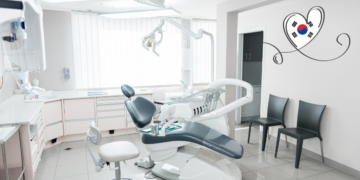
Seoul, particularly districts like Gangnam, has one of the highest concentrations of dermatology and aesthetic clinics in the world. Many clinics operate within walking distance of subway stations, making them unusually accessible for travelers unfamiliar with the city.
This density creates competition, which in turn encourages clinics to update technology frequently and maintain high service standards.
Advanced Technology at Competitive Prices
One of the most frequently cited reasons travelers choose Korea is cost. Treatments such as laser procedures, lifting therapies, and skin rejuvenation often cost significantly less than in North America or Europe, without requiring compromises on equipment or expertise.
Korean clinics also adopt new devices and techniques quickly, allowing travelers access to treatments that may still feel exclusive or experimental elsewhere.
Strict Medical Standards and Professional Training
Despite the industry’s scale, Korea maintains strict regulations around medical procedures. Qualified doctors perform advanced treatments, and dermatology training is rigorous.
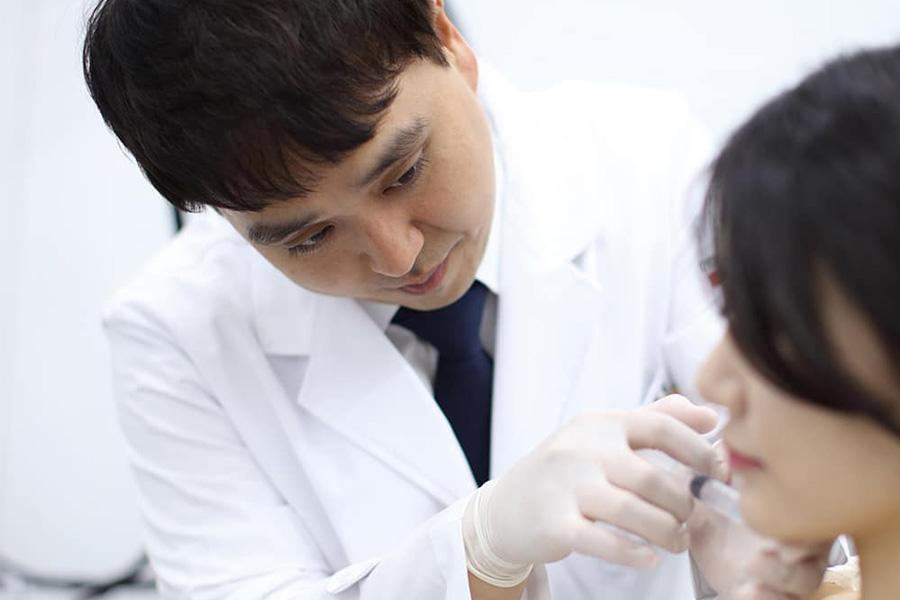
For travelers, this combination of accessibility and regulation offers reassurance — especially when navigating medical care abroad.
How Beauty Tourism Fits Into the Travel Experience
Unlike traditional medical tourism, which often centers on recovery and isolation, skincare tourism in Korea integrates smoothly into daily travel.
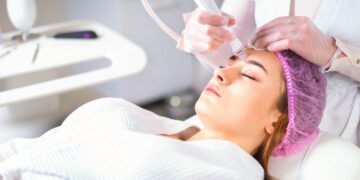
Appointments are typically short, clinics operate efficiently, and many treatments allow travelers to resume sightseeing the same day. A facial or laser session might sit comfortably between museum visits or shopping stops.
This ease transforms beauty treatments from a primary trip purpose into a complementary experience — one that enhances, rather than replaces, travel exploration.
The Role of English-Friendly Platforms
In the past, language barriers discouraged many travelers from considering medical treatments abroad. Today, booking platforms with English support, transparent pricing, and curated clinic options have lowered that barrier significantly.
These services help travelers compare clinics, understand procedures, and schedule appointments before arrival, reducing uncertainty and making beauty tourism feel approachable rather than intimidating.
A Reflection of Broader Travel Trends
Korea’s success in medical and beauty tourism reflects broader shifts in how people travel. Visitors increasingly value personalization, self-care, and meaningful experiences over checklist itineraries.
Skincare tourism aligns with this mindset. It is practical yet indulgent, routine yet culturally revealing. In Korea, beauty care becomes another way to observe everyday life — not as a spectacle, but as a lived experience.
More Than a Trend
Korea’s position as a global hub for medical and beauty tourism is not the result of a single factor. It emerges from a combination of cultural attitudes, urban infrastructure, medical expertise, and traveler-friendly systems.
For visitors, this means beauty tourism in Korea rarely feels like a detour. Instead, it blends naturally into the rhythm of travel — another lens through which to understand how modern Korean life balances innovation, efficiency, and care.
Related Posts
729 total views, 5 views today