
Last Updated on 1 month by admin
Discover why “Only in Korea” is the ultimate 2026 travel trend when it comes to Korean snacks and even cultural souvenirs.
If you’ve walked through Seoul Station or Myeongdong recently, you might have noticed something different about the snack aisle. Those familiar boxes of biscuits and cakes aren’t just snacks anymore—they’ve become “cultural content.”
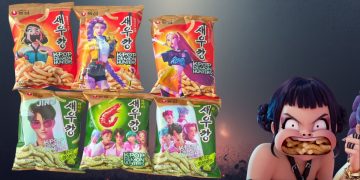
Driven by the global phenomenon of K-culture (and boosted by the 2025 Netflix hit KPop Demon Hunters), Korean retailers are pivoting to a high-signal strategy: repackaging everyday goods as exclusive cultural souvenirs.
The Strategic Shift: From Export to “Exclusively Domestic”
For years, Korean food giants focused on making their packaging “global.” Now, the trend is reversing. Brands like Orion are rebranding classic snacks specifically for the tourist market.
- The Transformation: The popular Bichobi biscuit is now the “Bichobi Korea Edition,” and Cham Bungeoppang has been renamed “Bok Bungeoppang” (Lucky Carp Bread).
- The Design: These aren’t just name changes. The packaging now features hanbok (traditional clothing) and bokjumeoni (lucky pouches), designs explicitly created for the domestic market and not for export.
- The Result: At Lotte Mart’s Zettaplex Seoul Station—a hub for international travelers—the Bichobi Korea Edition rocketed to the No. 1 snack spot, with sales surging over 200% since late 2024.
The “MU:DS” Phenomenon
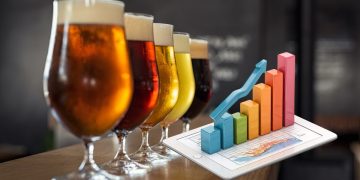
The shift toward “cultural goods” is backed by massive growth in the museum gift shop sector. MU:DS (a portmanteau of Museum and Goods), which creates merchandise based on National Museum of Korea collections, saw its annual revenue hit 41.3 billion won ($28 million) last year (2025). To put that in perspective, that is an elevenfold increase from its 2020 revenue of 3.7 billion won.
The “MU:DS” Revenue Rocket
Annual Revenue Growth (National Museum Foundation of Korea)
in 5 Years
Data Source: National Museum Foundation of Korea / Korea JoongAng Daily. Values in Billion KRW.
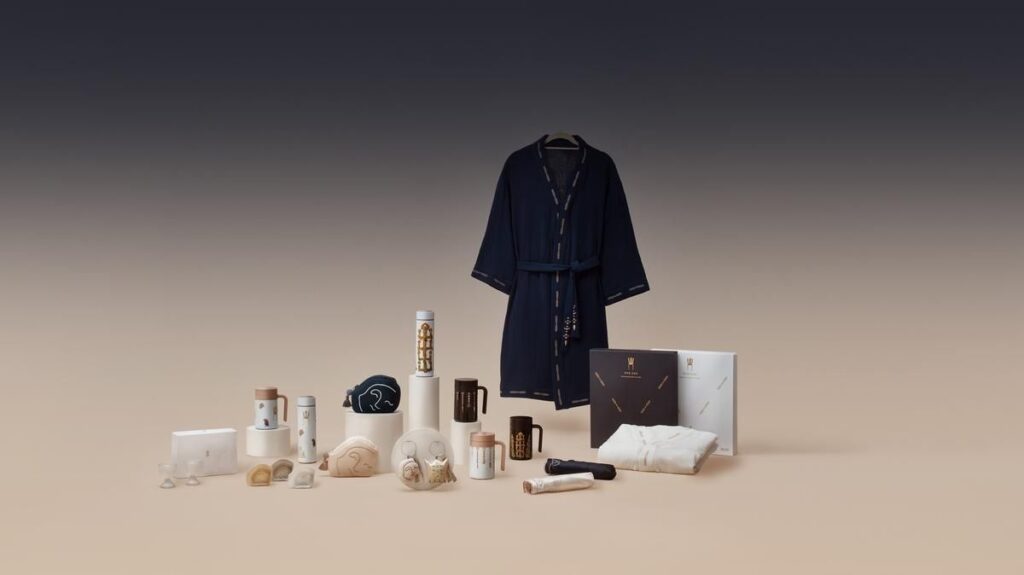
Whether it’s a keyboard printed with dancheong (traditional decorative coloring) or a Joseon Dynasty-inspired wine stopper, travelers are no longer looking for generic souvenirs. They want items that carry the “Only in Korea” DNA.
Beyond Snacks: Starbucks and High-End Collaboration
Retailers like Starbucks Korea are also leaning into regional identity. Their Annyeong Series—featuring tumblers and mugs with local landmarks from Seoul, Busan, and Jeju—saw a 50% sales increase in 2024. These items are strategically available in high-traffic tourist zones like Seongsu and Jongno, turning a daily coffee run into a cultural treasure hunt.
Why It Matters for Travelers
For the modern traveler, a snack is no longer just food; it’s a story. As Professor Kim Si-wuel of Konkuk University notes, these items tap into a sense of “rarity.” When you buy a “Korea Edition” snack, you aren’t just buying sugar and flour—you’re buying a piece of the K-aesthetic that can’t be found on a shelf back home.
Pro-Tip for Visitors: If you’re looking for these exclusive editions, skip the neighborhood convenience store and head to major hubs like Lotte Mart Zettaplex (Seoul Station) or the National Museum of Korea gift shop. These are the “ground zero” locations for the best high-signal cultural goods.
Related Posts
450 total views, 2 views today