
Last Updated on 2 months by admin
South Korea has officially moved into the spotlight as the most popular overseas destination for Chinese tourists during the 2026 Spring Festival, surpassing Japan during one of the busiest travel periods of the year. Backed by booking forecasts and travel platform data, South Korea is projected to welcome between 230,000 and 250,000 Chinese tourists. The shift highlights South Korea’s growing appeal as a short-haul destination that blends culture, shopping, food, and convenience — exactly what travelers look for during a limited holiday break.
For South Korea’s tourism industry, and for travelers keeping an eye on Asia’s evolving travel scene, the Spring Festival results are more than a seasonal win. They signal how traveler preferences are changing — and why Korea continues to gain momentum as a go-to destination in the region.
Why the Spring Festival Is So Important for Travel Trends
The Spring Festival, also known as Lunar New Year, is the most important holiday period in China. It is also one of the most closely watched travel windows in Asia. While millions travel domestically, outbound tourism during this time carries outsized influence. Travelers tend to spend more, prioritize shopping and dining, and favor destinations that are easy to navigate within a short timeframe.
In 2026, the Spring Festival holiday lasts nine days, making it ideal for short international trips. Destinations that are nearby, well connected by air, and culturally familiar naturally rise to the top. When a country performs well during this period, it often points to broader travel momentum for the year ahead.
South Korea’s rise to the top spot during the Spring Festival reflects how well it fits these travel preferences.
Spring Festival 2026 Data Shows South Korea Pulling Ahead
According to media reports citing travel analytics firm China Trading Desk, South Korea is expected to welcome between 230,000 and 250,000 mainland Chinese tourists during the 2026 Spring Festival holiday. That figure represents an estimated 50 percent increase compared to similar past holiday periods.
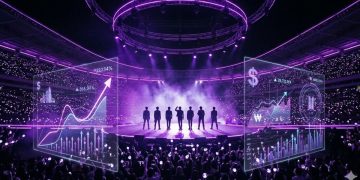
The Rebound Velocity: Spring Festival Arrivals
Chinese visitor volume to South Korea (2024–2026 Forecast)
These projections are based on flight capacity, booking trends, and demand modeling — standard tools used across the travel industry to forecast peak travel flows. The numbers place South Korea ahead of Japan for this specific holiday period, marking a notable change in regional travel rankings.
Japan has long been the top overseas destination for Chinese travelers, especially during extended holidays. The Spring Festival shift does not suggest Japan has lost its appeal. Instead, it shows how travel decisions during short, high-demand periods are increasingly shaped by convenience, cost, and repeat-visit comfort — areas where South Korea performs especially well.
Booking Data Reveals a Shift in Chinese Travel Preferences
Travel behavior in late 2025 had already hinted at what would happen during the Spring Festival. Data from Qunar, one of China’s largest online travel platforms, showed South Korea overtaking Japan in both flight ticket bookings and destination search interest during several peak travel weekends.
Search and booking data are often early signals of traveler intent. When travelers consistently search for and book one destination over another ahead of a fixed holiday, it usually translates into real-world arrivals.
In this case, Qunar’s data suggested that Chinese travelers were actively choosing South Korea well before the Spring Festival began. Combined with China Trading Desk’s forecasts, the booking data confirms that Korea’s rise was driven by traveler behavior, not last-minute changes.
Why Chinese Travelers Are Choosing South Korea Over Japan in 2026?
Several factors help explain why South Korea has gained an edge during the 2026 Spring Festival.
| Metric | South Korea (Seoul) | Japan (Tokyo) | Industry Signal |
|---|---|---|---|
| Travel Time (BJ/SH) |
Optimal ~2.0 hrs |
Friction ~3.5 hrs |
+3 hours saved roundtrip for retail/on-ground spend. |
| Visa Policy |
Seamless C-3-2 Fee Waiver |
Restricted New Advisories |
Zero cost & instant group approval vs. vetting delays. |
| Flight Liquidity |
Expansion 1,330+ Flights |
Contraction ~800 Flights |
Japan capacity down 47.2%; Korea supply up 25%. |
| Purchasing Power |
High Value KRW at 10-yr Low |
Volatility Yen Stabilizing |
Luxury goods 15-20% cheaper in KRW terms. |
| Safety Sentiment |
Welcoming Neutral / High |
Risk Official Advisory |
60% of intent halted by Jan 26 Japan travel warning. |
Easy, Short-Haul Travel
One of South Korea’s biggest advantages is proximity. Flights from major Chinese cities to Seoul, Busan, and Jeju are short, frequent, and widely available. For travelers with limited holiday time, shorter flights mean more time to shop, eat, and explore — and less time spent in transit.
Dense air connectivity also makes travel planning simpler, a major plus during peak travel seasons when flexibility matters.
Value and Convenience
Cost plays a major role during Spring Festival travel. Compared to Japan, South Korea often offers more competitive pricing for airfare, hotels, and short-stay packages during peak periods.
South Korea’s compact geography is another advantage. Travelers can enjoy shopping districts, cultural sites, and food scenes without long internal travel, making it easier to fit multiple experiences into a short itinerary.
Strong Cultural Familiarity
Korean pop culture continues to be a powerful draw. K-pop, K-dramas, Korean beauty brands, and food tourism remain deeply popular among Chinese travelers, particularly younger visitors and repeat travelers.
Spring Festival trips often favor destinations that feel familiar and comfortable rather than exploratory. South Korea’s cultural visibility and repeat-visit appeal align perfectly with this mindset.
What This Means for South Korea’s Tourism Scene
The rise in Chinese visitors during the Spring Festival has immediate benefits for South Korea’s tourism economy. Popular areas such as Seoul’s shopping districts, Jeju Island, and major urban hubs are likely to see increased demand across hotels, restaurants, attractions, and duty-free stores.
Spring Festival travelers are traditionally strong spenders, particularly in shopping, beauty, wellness, and dining. Even a short surge in visitor numbers can translate into significant economic impact.
Beyond the holiday itself, strong Spring Festival performance often shapes airline scheduling, tourism marketing, and broader inbound travel forecasts for the year. Success during this period can encourage expanded flight routes and sustained promotional efforts targeting the Chinese market.
A Changing Competitive Landscape in East Asia
Japan’s popularity among Chinese travelers remains strong, but the Spring Festival results highlight how destination rankings can shift depending on context. Short-haul convenience, travel time, and value are becoming increasingly important during fixed-length holidays.
South Korea’s strength lies in being a high-impact, short-break destination — ideal for travelers who want a full experience without long travel times or complex planning. As travel patterns continue to normalize, competition between destinations in East Asia is likely to become more fluid and responsive to traveler priorities.
What to Watch Next
The next question is whether this Spring Festival momentum will extend into other peak travel periods in 2026, such as summer vacations and China’s Golden Week holidays. Booking data from platforms like Qunar will provide early clues.
Airline capacity changes will also be important. Continued strong demand could lead to more flights and expanded routes, reinforcing South Korea’s accessibility advantage.
For travelers, this trend may also mean more tailored experiences, seasonal promotions, and new travel products aimed at repeat visitors.
A Defining Moment for Korea’s Tourism Momentum
Taken together, forecast data from China Trading Desk and booking behavior from Qunar tell a consistent story: South Korea emerged as the most popular destination for Chinese tourists during the 2026 Spring Festival, surpassing Japan during a key travel period.
While the shift should be viewed in context, it reflects South Korea’s growing strength as a destination that delivers culture, convenience, and value in equal measure. As 2026 unfolds, the Spring Festival may stand out as a defining moment in Korea’s continued rise on the regional travel map.
Related Posts
891 total views, 3 views today