
Last Updated on 2 months by admin
From Honey Butter Chip’s 10-year reign to Tanghulu’s market collapse—see how FOMO and social media drive viral Korean food trends.
Across Seoul’s convenience stores, café counters, and TikTok feeds, a cycle of food crazes defines a broader transformation in South Korea’s cultural and economic landscape — one that goes beyond novelty and points to changing consumer psychology, digital influence, and market dynamics.
Rather than cataloguing fads, understanding why items like Honey Butter Chip, tanghulu, and dujjonku surged — and why many faded — gives insight into how digital virality, scarcity mechanics, and social behaviour intersect with Korea’s food culture and marketplace.
The Mechanics of a Viral Food
Korean viral food trends tend to follow a predictable arc: rapid rise, intense hype, saturation, and decline. Three forces consistently drive this arc:
- Social media amplification: Platforms like TikTok and Instagram accelerate awareness and participation. When content goes viral — be it user-generated videos, celebrity posts, or hashtag challenges — demand can spike almost overnight, especially among Gen Z and millennials.
- Scarcity and “fear of missing out” (FOMO): Limited availability or perceived scarcity boosts desirability, creating queues, resale markets, and intense word-of-mouth.
- Cultural signaling: Participating in trends often serves as a form of social identity expression, especially in a society where communal engagement and trend participation are highly visible.
Understanding these drivers helps explain why specific foods — regardless of intrinsic quality — can become national phenomena and why they fade just as quickly.
Case Studies of Viral Korean Food Trends: From Must-Have to Memory
Comparison of Trend Archetypes (2026 Perspective)
| Feature | Honey Butter Chip | Tanghulu | Dujjonku |
| Peak Duration | ~18 Months | ~8 Months | ~5 Months (current) |
| Barrier to Entry | High (Manufacturing) | Low (Street Stall) | Medium (Baking/Supply) |
| Post-Peak Fate | 7th Bestselling Snack | Mass Shop Closures | Pivot to Premium/Luxe |
| Digital Driver | Word-of-Mouth Scarcity | TikTok Visuals | ASMR / Global Fusion |
Honey Butter Chip: When Scarcity Became Strategy
When Honey Butter Chip launched in August 2014, it was a simple glazed potato chip. By early 2015, it had become a nationwide phenomenon — selling out across major convenience chains within days and commanding attention beyond the snack aisle.
The product’s rapid rise was not accidental, but structurally tied to digital word-of-mouth and supply dynamics: social buzz outpaced production. Limited availability intensified fear of missing out (FOMO), driving lines in stores and premium resale prices in online marketplaces.
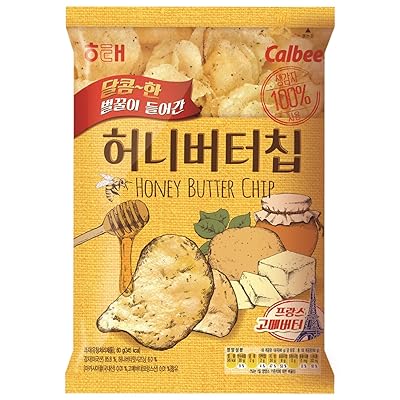
Concrete data point: Over the past decade, Honey Butter Chips has sold roughly 360 million bags in South Korea, generating an estimated ₩550 billion (~$400 million) in revenue — marking it not just as a trend, but a sustained commercial force.
Why it matters: This case illustrates how a product can leverage scarcity and social sharing into market dominance. For local brands and foreign entrants, it’s a lesson that viral momentum — when harnessed deliberately — can translate into tangible long-term value.
Tanghulu: Viral Sweetness Meets Fast-Moving Tastes
Tanghulu — sugar-coated fruit skewers with origins in northern China — did not originate in Korea but exploded on Korean social platforms around 2023, especially on TikTok and YouTube.
A surge in Instagram tags and rapid specialty store openings reflected Gen Z and millennial engagement, transforming a centuries-old street dessert into a momentary cultural fixation. But by mid-2024, that momentum had begun to dissipate, triggering shop closures and signaling a shift in consumer demand.
Concrete signal: In South Korea, the number of tanghulu shops reportedly expanded from roughly 50 to 300 within six months at the peak of the trend — a stark example of how quickly social engagement can translate into real commercial entry.
Why it matters: The tanghulu arc underscores the compressive timeframes of modern food trends. For entrepreneurs and food service investors, it’s a cautionary indicator: rapid scale based on virality can reverse just as quickly when novelty wanes.
Dujjonku: The Next Case Study in Trend Lifecycle
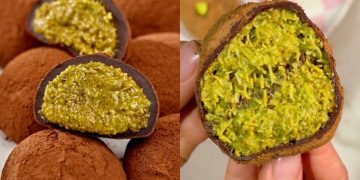
The most recent entrant into Korea’s viral food lexicon is dujjonku, a chocolate-filled cookie that sparked viral lines at bakeries from Seoul to international cities like New York.
Unlike snack aisles or street stalls, dujjonku illustrates how international cultural exchange — here through Dubai-style dessert conception — intertwines with Korea’s appetite for novelty. Social resonance, urban density, and rapid logistics amplified the craze, attracting global attention. However, rising health consciousness and shifting priorities may constrain its long-term staying power.
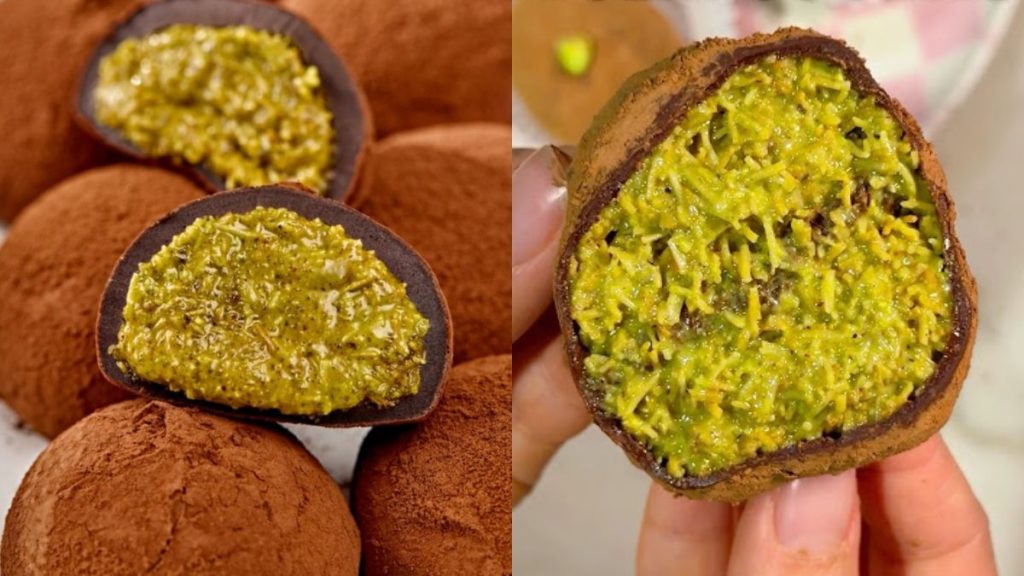
Why it matters: Dujjonku highlights the intersection of cultural hybridity and consumer trends. In a globalized social media era, foreign food influences can gain traction in Korea almost immediately — but sustainability depends on deeper factors like health trends and repeat consumption behavior.
Beyond the Buzz: What Viral Food Trends Reveal
These trends, when viewed together, reveal three broader market dynamics:
- Digital virality as a catalyst — Social platforms can rapidly elevate humble products into national phenomena.
- Scarcity and social behaviour — FOMO and trend participation are now drivers of consumption, not just taste.
- Market sustainability signals — Only some products transition from viral fad to enduring category player (e.g., continued sales of Honey Butter Chip).
Trend Lifecycle Analysis: Virality vs. Durability
For international visitors and investors alike, Korea’s food trend cycles offer more than Instagrammable moments. They are indicators of consumer psychology, digital influence economies, and the competitive pulse of Korea’s food sector — areas worthy of attention for anyone looking beyond surface-level hype.
“In Korea, virality is no longer a marketing bonus—it’s a market stress test.”
Conclusion
South Korea’s Korean viral food trends are not random spikes in interest; they are structured by digital culture, scarcity tactics, and shifting consumer priorities. When analyzed through concrete data points and lifecycle patterns, they offer actionable insights for brands, tourism strategists, and cultural analysts alike. The enduring lesson: in Korea’s trend economy, understanding why something goes viral — and why it ends — is essential to interpreting broader shifts in consumption and culture.
FAQ: Korea’s Viral Food Scene in 2026
Q: What is the most popular viral snack in Korea right now? A: As of early 2026, the Dujjonku (Dubai Chewy Cookie) is the dominant trend. It’s a chocolate-coated, marshmallow-filled cookie inspired by the global “Dubai Chocolate” craze, notable for its crunchy kadaif filling and kkudeok kkudeok (dense and chewy) texture.
Q: Why are so many Tanghulu shops closing in Seoul? A: The Tanghulu market reached “hyper-saturation” in late 2024. The low barrier to entry led to over 500 shops opening in months, followed by a rapid decline as consumers shifted toward healthier “Zero Sugar” options and the next visual novelty.
Q: Is Honey Butter Chip still popular in 2026? A: Yes. Unlike “supernova” fads, Honey Butter Chip has successfully transitioned into a Market Fixture. It remains a Top-10 selling snack in convenience stores, proving that trends with unique flavor profiles (sweet-savory) can achieve long-term durability.
1,856 total views, 12 views today